 EN
EN
 INA
INA
Udayana University’s Physics Study Program Conducts Community Service in Nyangelan Village: Education on Processing Organic Waste into Liquid Organic Fertilizer (POC) and Eco-Enzyme
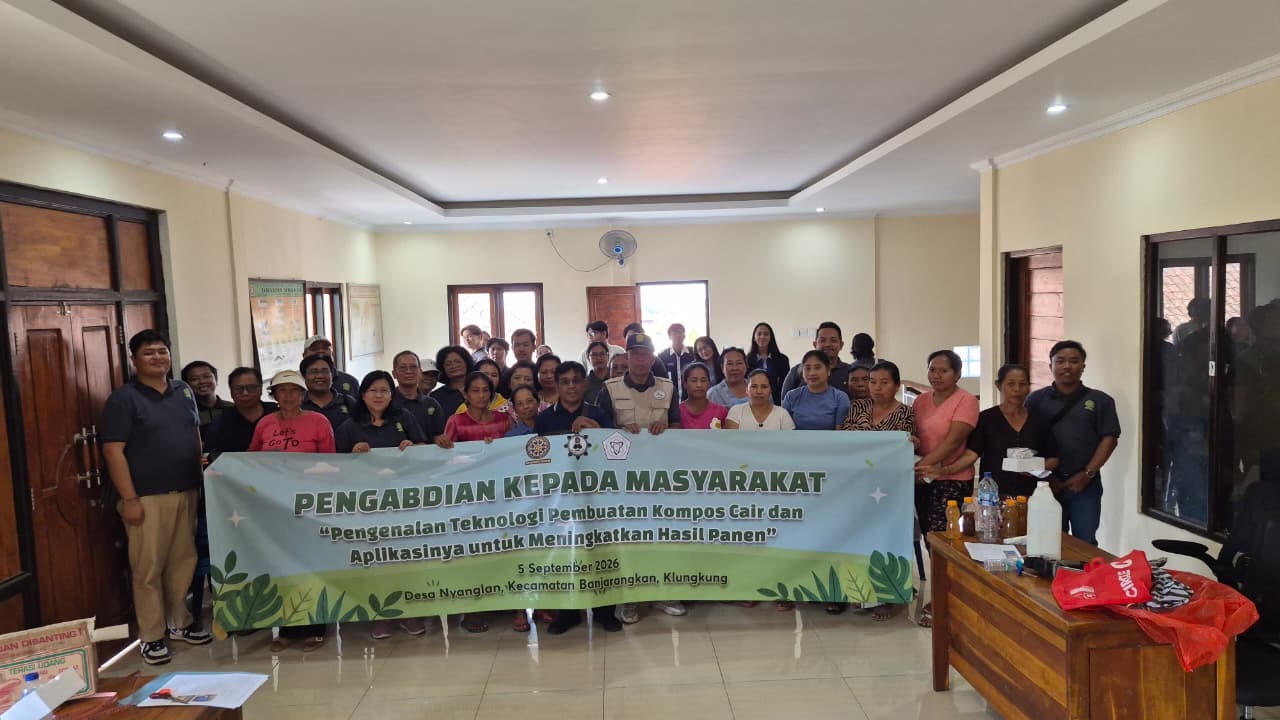
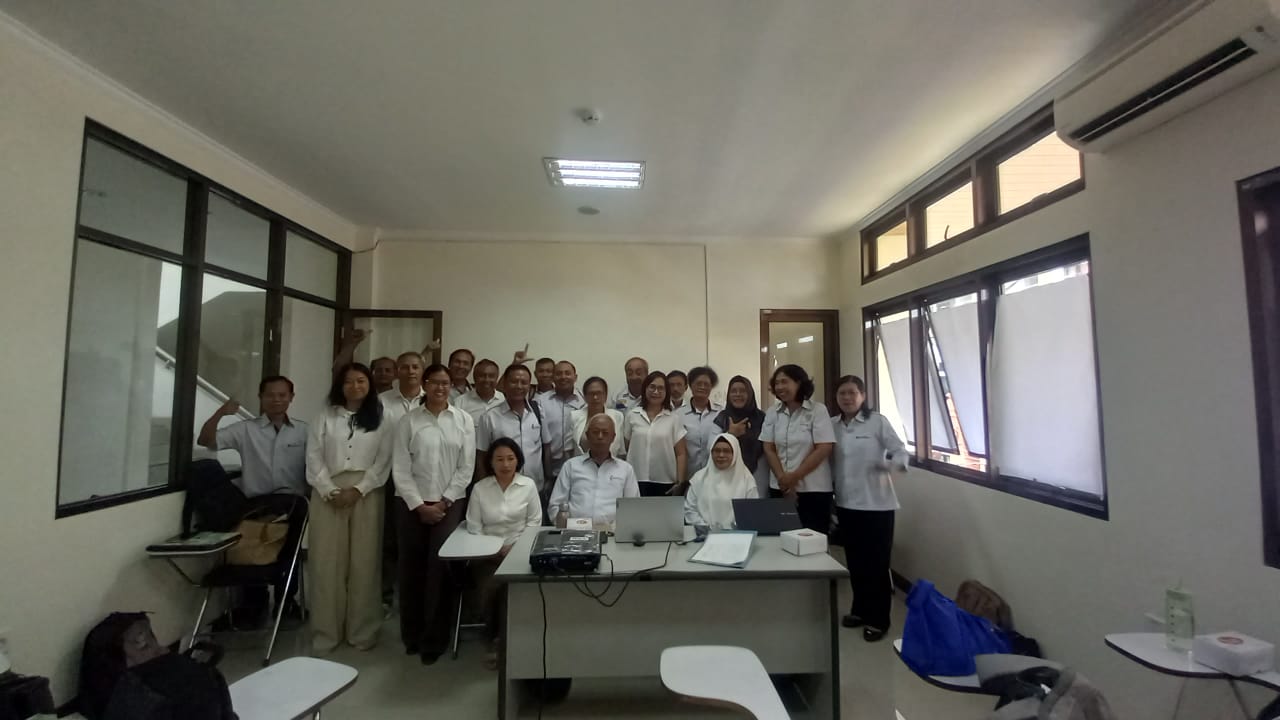
Klungkung, September 5, 2026 — The Physics Study Program at the Faculty of Mathematics and Natural Sciences (FMIPA), Udayana University, conducted a Community Service (PkM) activity at the Nyangelan Village Hall, Banjarangkan District, Klungkung Regency, on Saturday (September 5). Involving lecturers and students from the Physics Study Program, the event was themed "Green Composting Materials and Technology for Sustainability," focusing on educating the community and providing practical training on transforming organic waste into useful products.
This activity is part of the Physics Study Program's efforts to disseminate scientific knowledge and technology that are both applicable and relevant to community needs. Organic waste management is viewed not merely as an environmental issue but also as an opportunity to create products that can be reused in daily life. Through a "green technology" approach, the community was introduced to simple technologies for processing liquid and solid organic waste into liquid organic fertilizer (POC) and eco-enzymes.
The event's theme also aligns with several Sustainable Development Goals (SDGs): SDGs 13 and 14 (environmental issues); SDGs 11 and 12 (sustainable management and consumption-production); SDG 2 (food security); and SDG 9 (innovation and technology development). Consequently, this community service initiative aims not only to enhance knowledge but also to strengthen public awareness regarding the importance of shifting waste management practices from a "discard" mindset to a "sort, process, and reuse" approach.
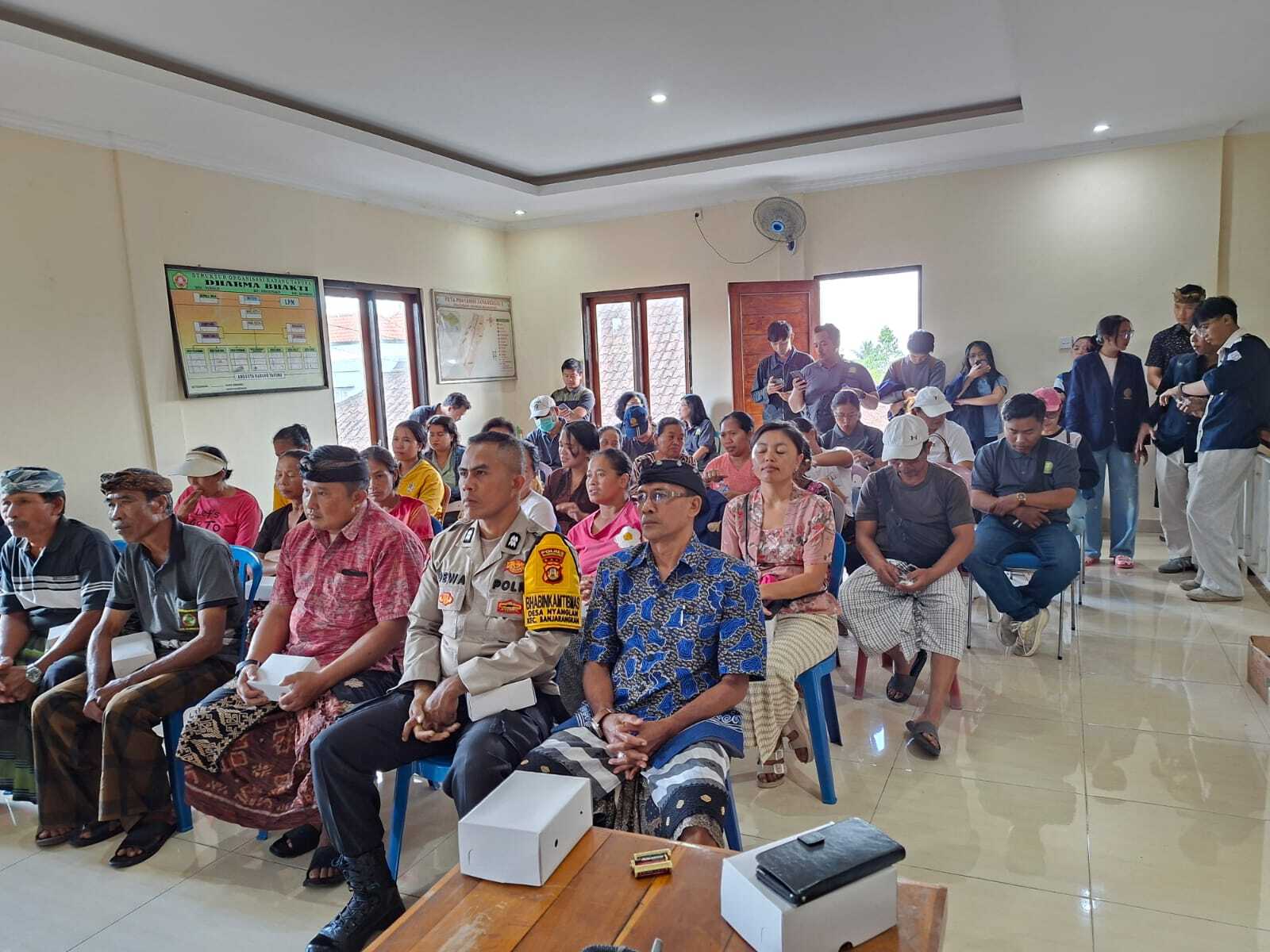
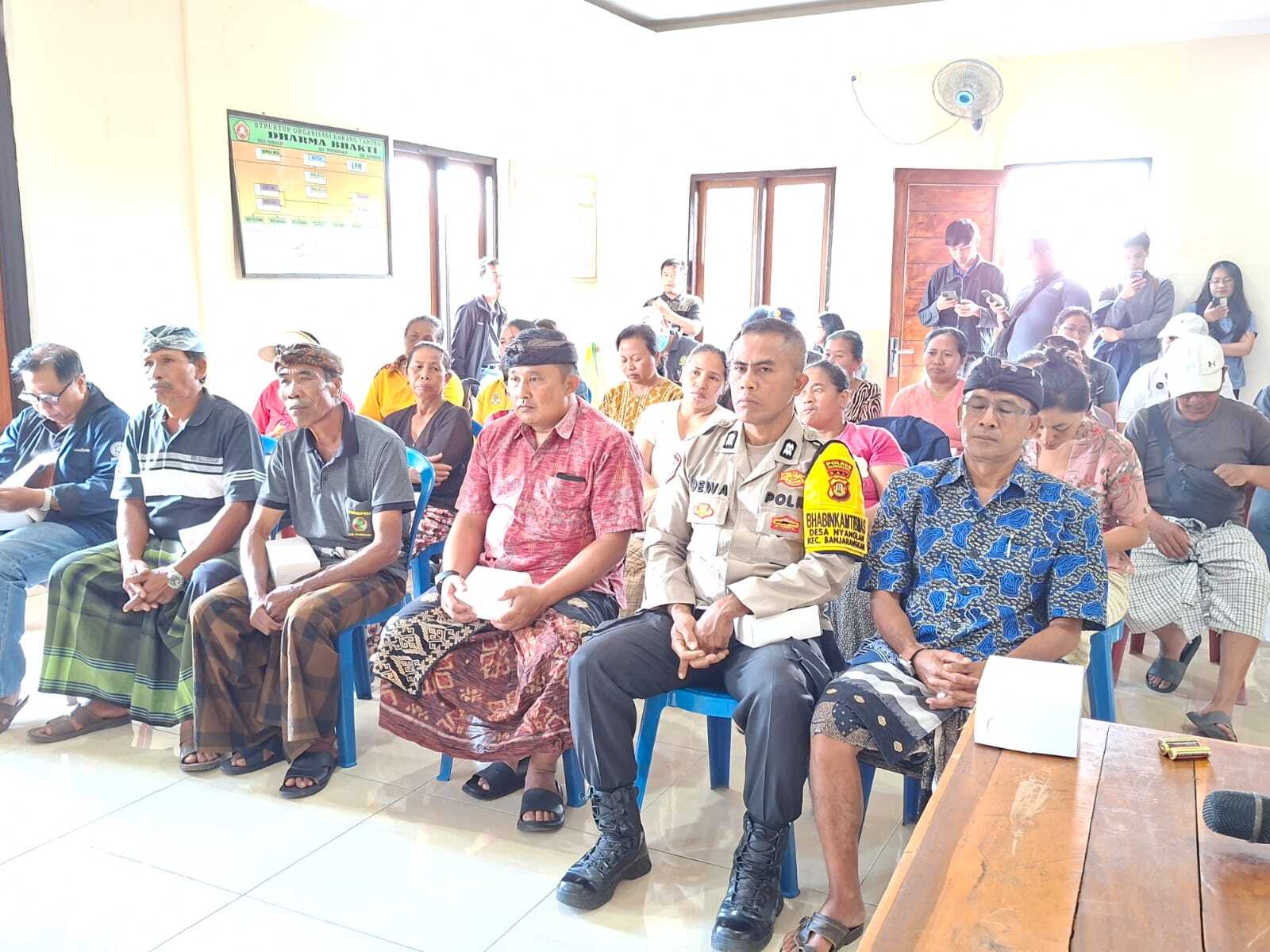
The participants were members of the Nyangelan Village PKK (Family Welfare Empowerment) group, who received a presentation on the characteristics of organic waste, processing principles, the production stages of Liquid Organic Fertilizer (POC) and eco-enzymes, and the potential uses of the resulting products. The material was delivered using a simple, contextual approach to ensure that the introduced technologies could be applied independently in households or developed into productive community activities.
The POC and eco-enzymes introduced during the event offer diverse applications. POC serves as an alternative for plant fertilization, while eco-enzymes can be utilized for various household needs, depending on their specific characteristics and usage methods. By utilizing organic materials that would otherwise become waste, the community was introduced to the concept of a household-scale circular economy—returning resources to the usage cycle to minimize residual waste.
The Head of Nyangelan Village opened the community service activity and welcomed the presence of the Udayana University academic community among the residents. Village officials also attended, demonstrating the village government's support for science- and technology-based education and community empowerment initiatives.
As a resource person, Dr. I Gde Antha Kasmawan, S.Si., M.Si.—who also serves as the Coordinator of the Physics Study Program at Udayana University—stated that Community Service (PkM) activities provide a vital platform for higher education institutions to ensure that scientific knowledge does not remain confined to academia but instead delivers direct benefits to the public.
“We are delighted that, through this activity, the Physics Study Program can share knowledge and practical skills with the community. While the information we presented may seem simple, we hope it becomes knowledge that the community can apply and further develop according to their specific needs,” said Dr. Antha.
According to him, this community service initiative also serves as an opportunity to demonstrate the broad relevance of physics to various aspects of daily life. Areas such as material development, transformation processes, characterization, technological efficiency, and sustainable resource utilization represent just a few of the ways science and technology can contribute through collaboration between universities and the community.
Furthermore, Dr. Antha expressed hope that the initiative would not end with the mere delivery of information sessions and workshops. The knowledge gained by the community is intended to serve as a foundation for establishing more sustainable organic waste management practices at both the household and community levels. Looking ahead, opportunities exist for further development—through continued guidance and support—in areas such as product development, quality improvement, packaging, and the utilization of processed waste products to generate economic value.
“We hope that activities like this can serve as a platform to disseminate the results of faculty initiatives that offer tangible benefits to the community. Although the material presented on this occasion was limited in scope, we hope to continue building communication and collaboration with the residents of Nyangelan Village so that our community service efforts can yield more sustainable impacts,” he added.
Student involvement in this activity was also a crucial part of the learning process beyond the classroom. Students not only played a role in supporting the event's execution but also gained experience in communicating knowledge, interacting with the community, and understanding how academic knowledge can be translated into simple, practical solutions tailored to the local context.
Through this activity—themed “Green Composting Materials and Technology for Sustainability”—the Physics Study Program at Udayana University sought to strengthen its role as an active member of society; one that not only generates and advances scientific knowledge but also transforms that knowledge into solutions that benefit the public. This initiative also served as a first step toward fostering closer synergy among the university, the village government, and the community in promoting sustainable environmental management.
Beyond its educational and environmental benefits, this community service activity provided a platform for the Physics Study Program to showcase its work and contributions to the public. By engaging directly with community needs, the program demonstrated that physics and technology can manifest as practical, innovative, and sustainable solutions for everyday life.
Gallery
FACULTY OF MATH AND NATURAL SCIENCES