 EN
EN
 INA
INA
2026 General Physics Lecture Discusses Magnetoplasmonic Biosensor Technology and Development Opportunities at Udayana University
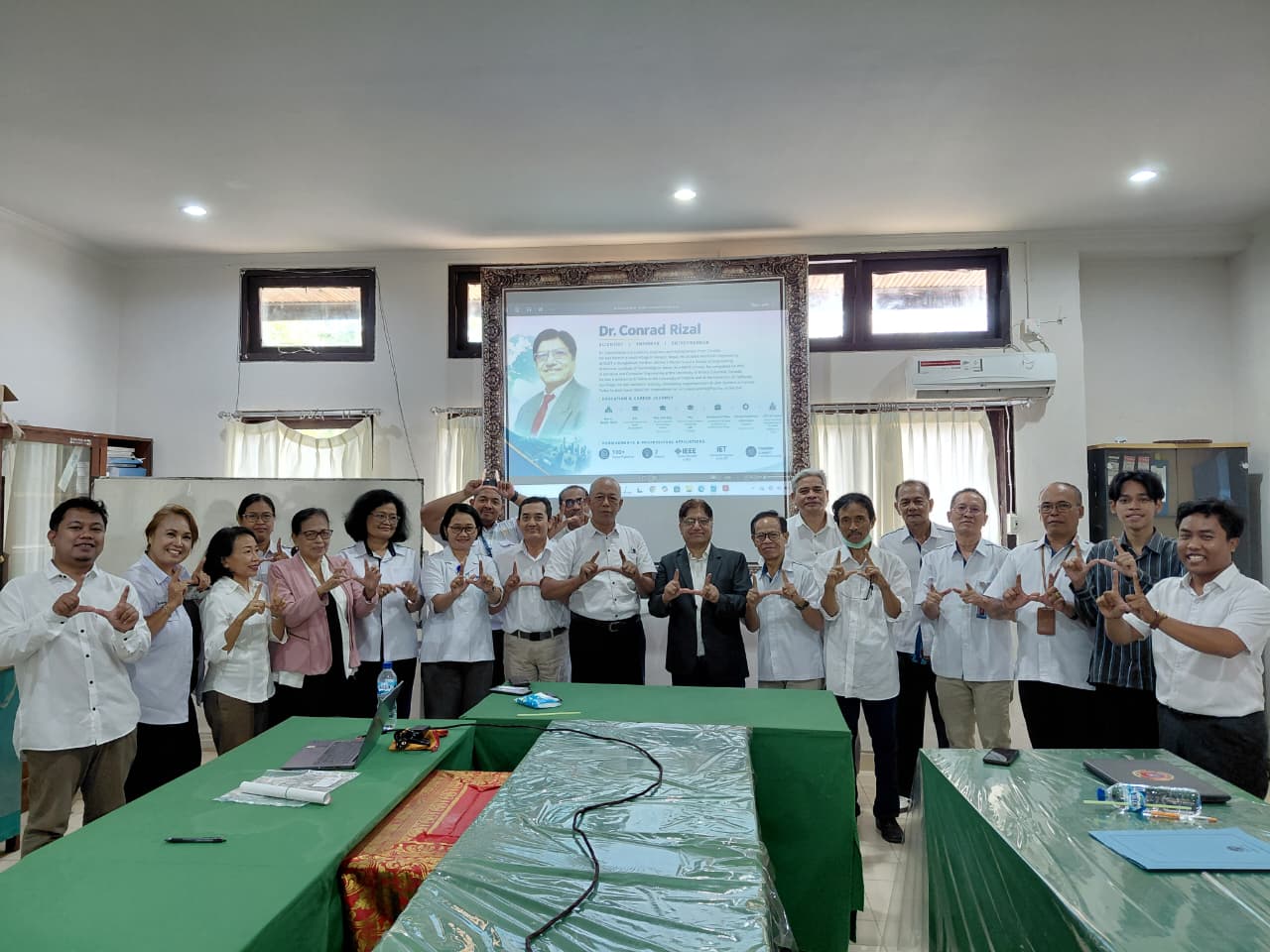
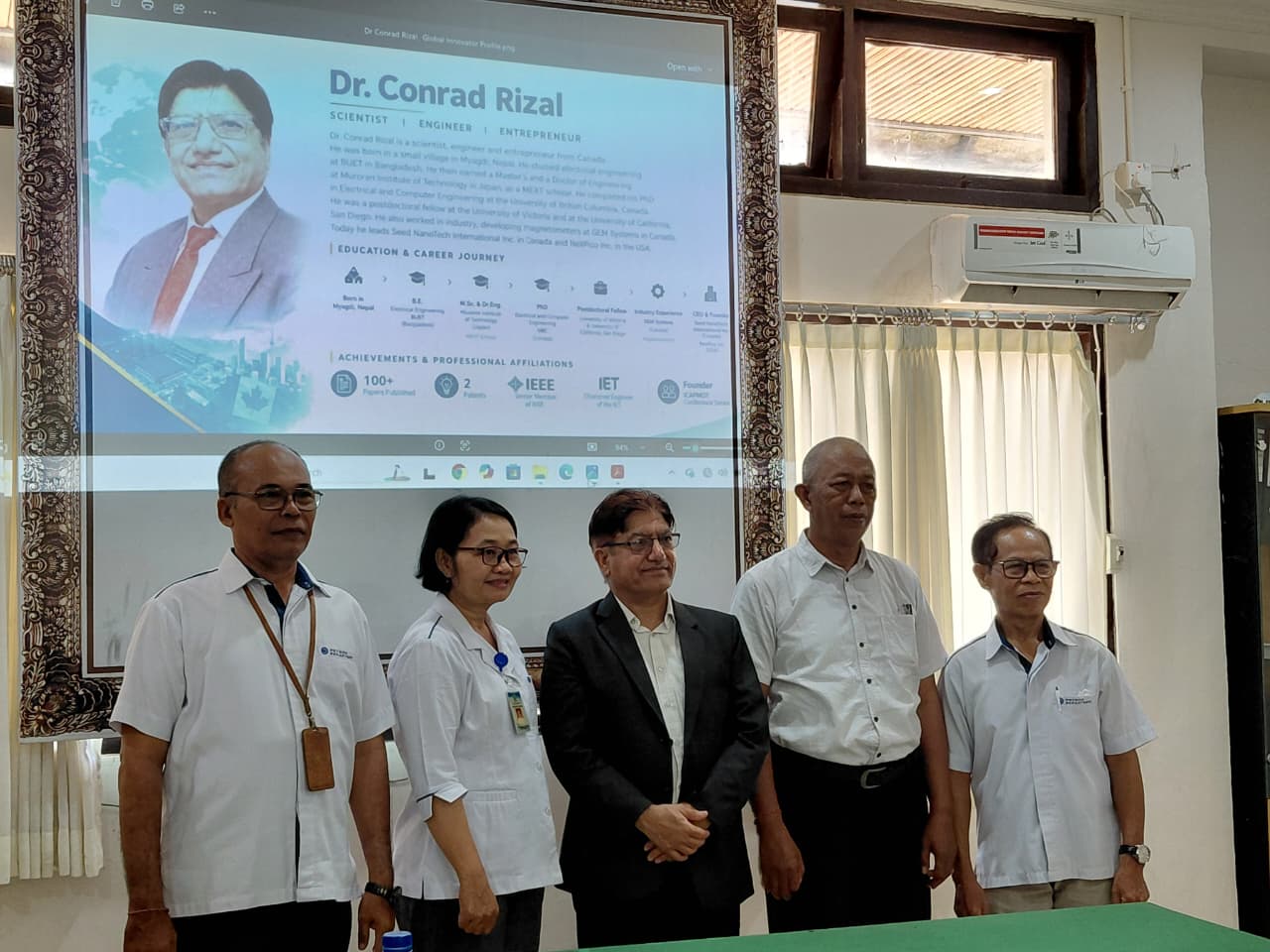
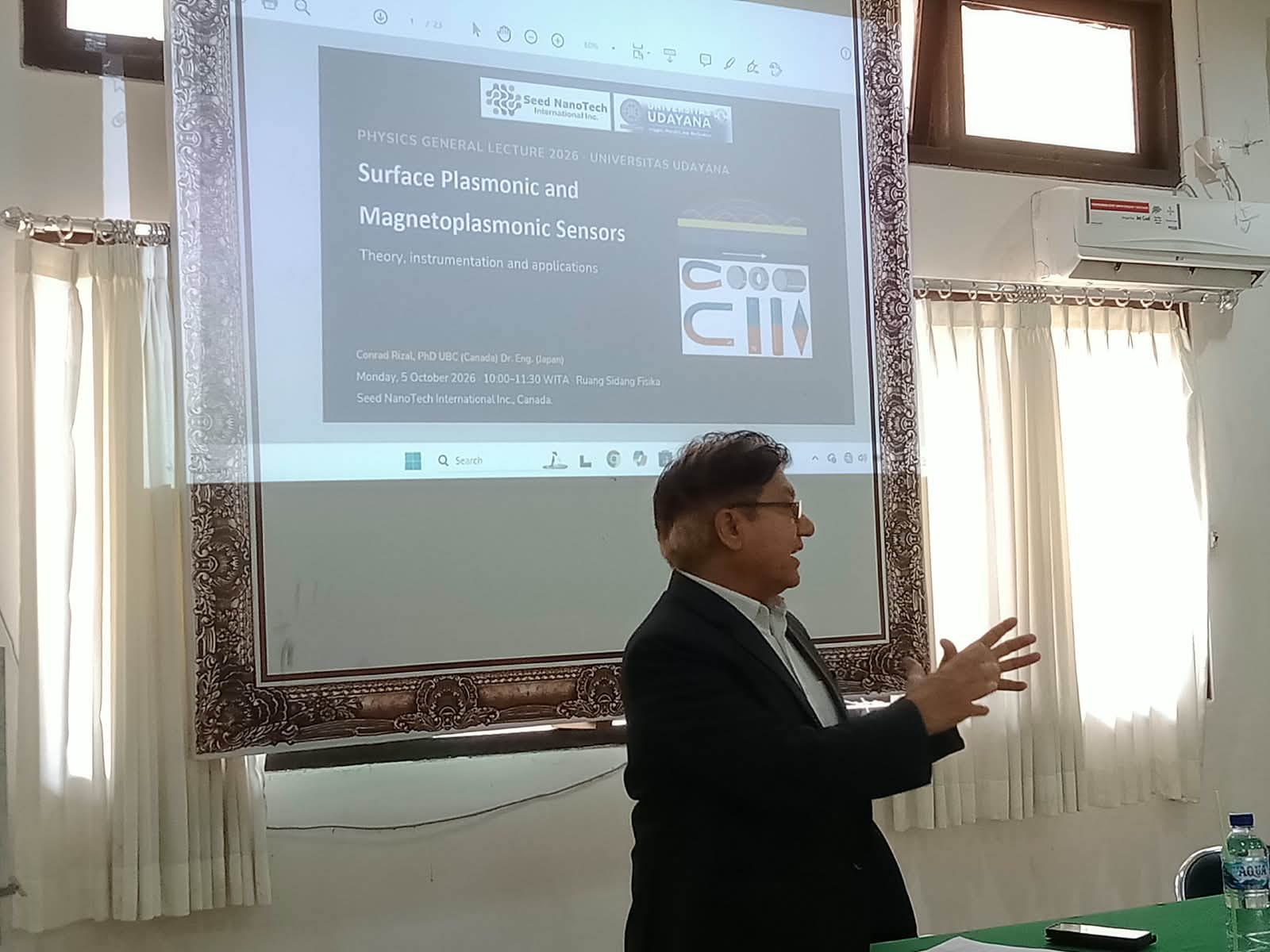
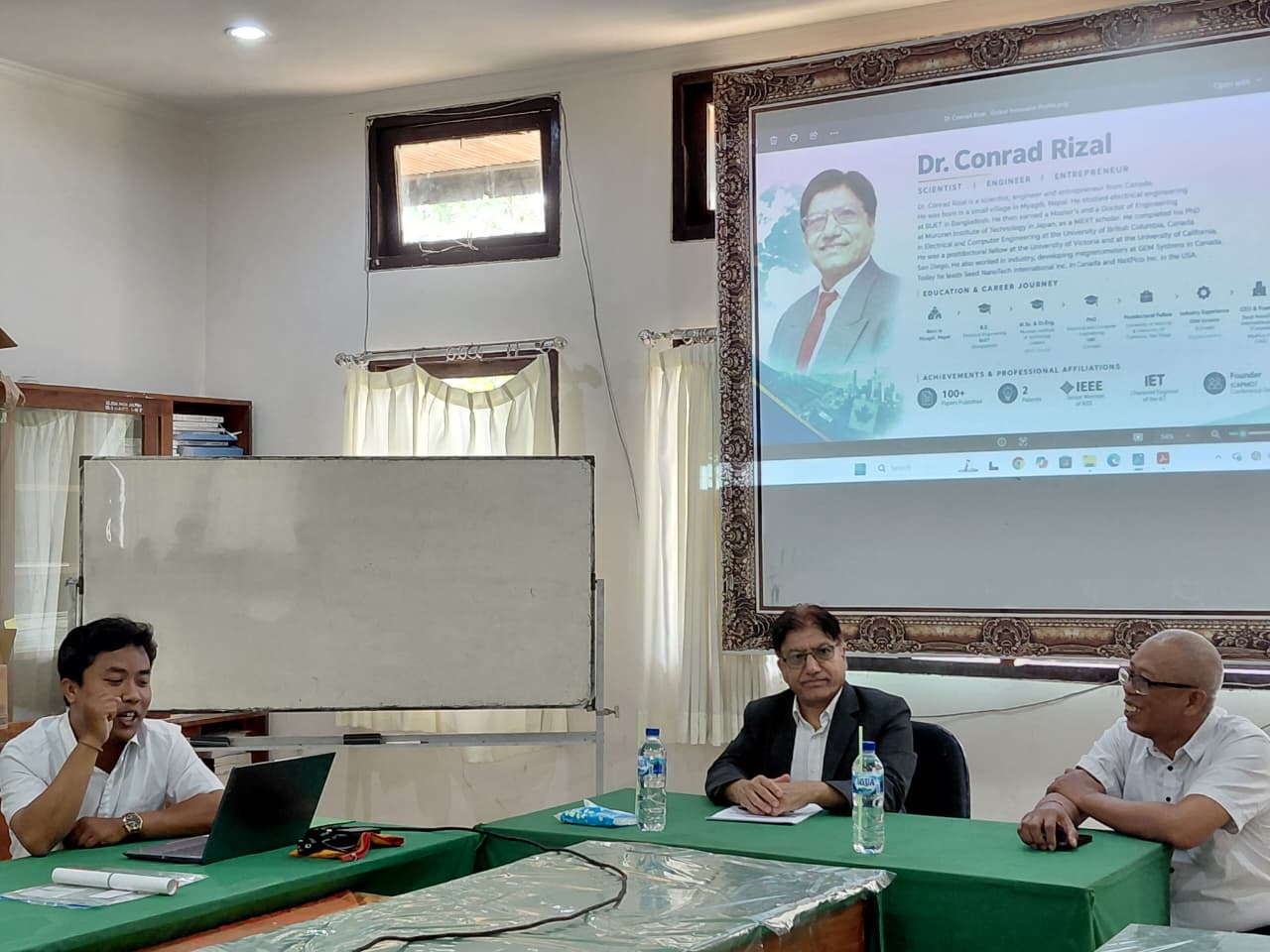
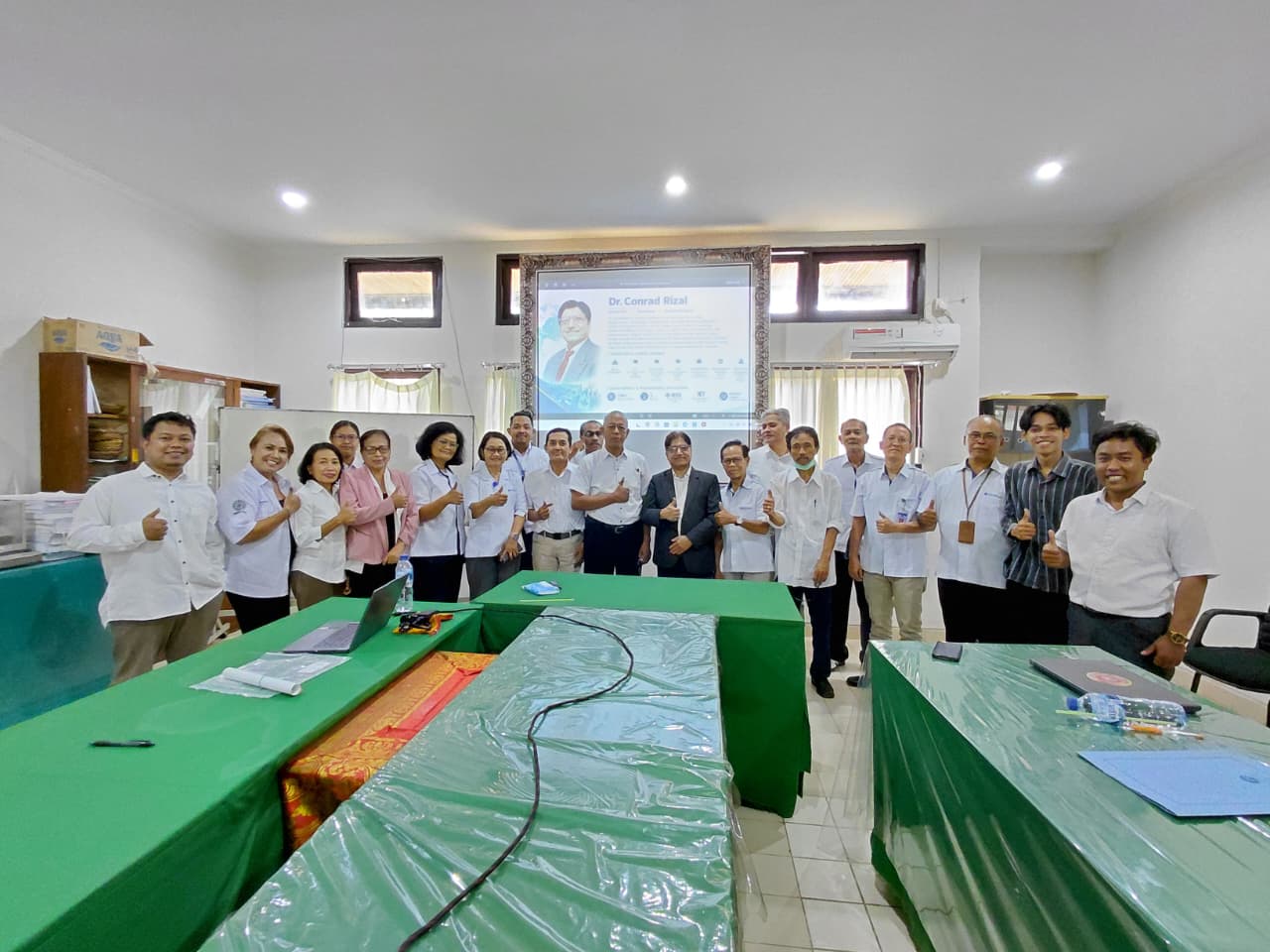
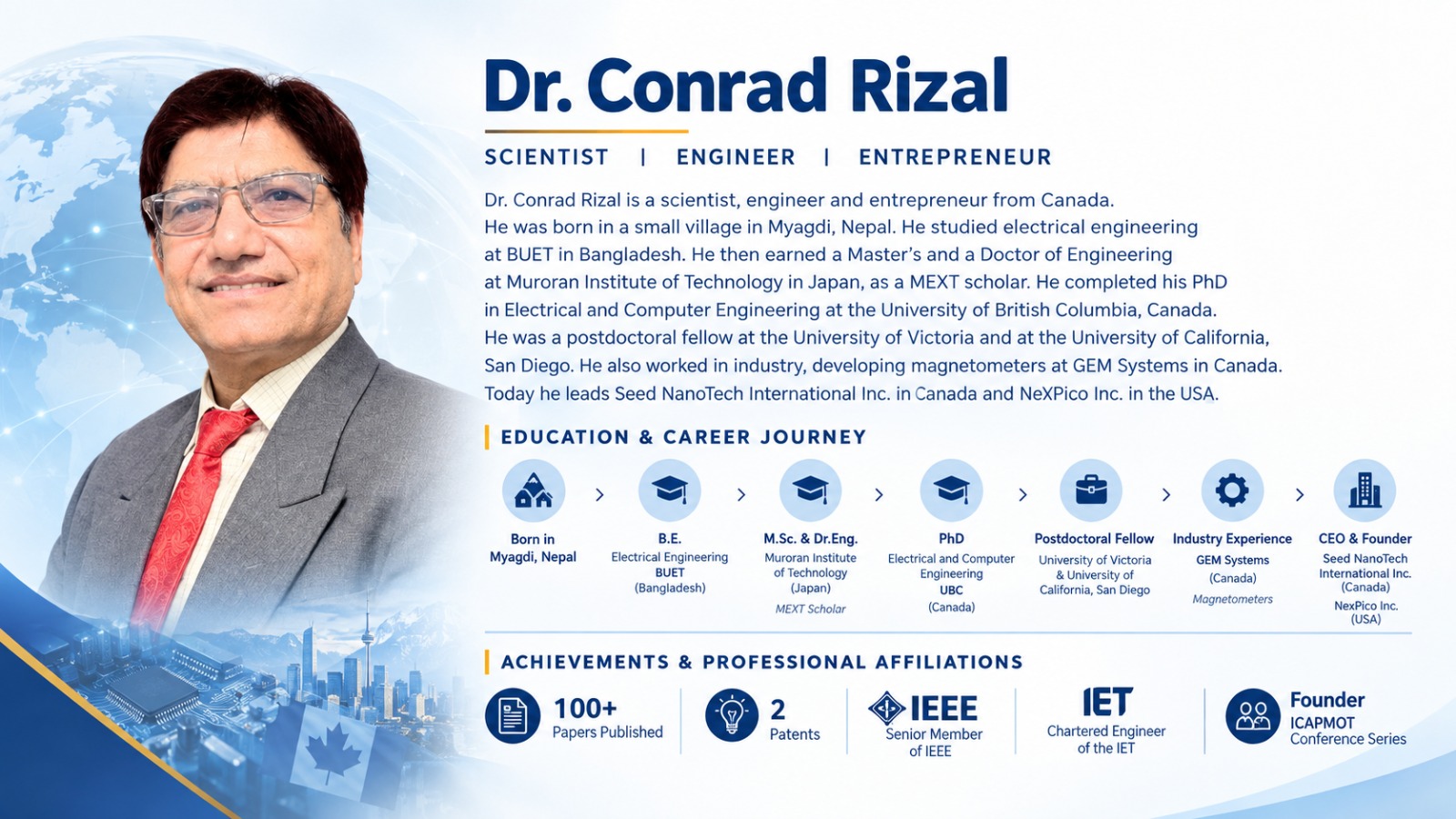
Jimbaran, October 5, 2026 — The Physics Study Program at Udayana University once again hosted the 2nd Physics General Lecture 2026, an initiative aimed at broadening academic horizons and opening up opportunities for research development in the fields of physics and cutting-edge technology. Held on Monday, October 5, 2026, in the Physics Meeting Room, the event featured Dr. Conrad Rizal from Seed Nano Tech Inc., Canada, as the guest speaker.
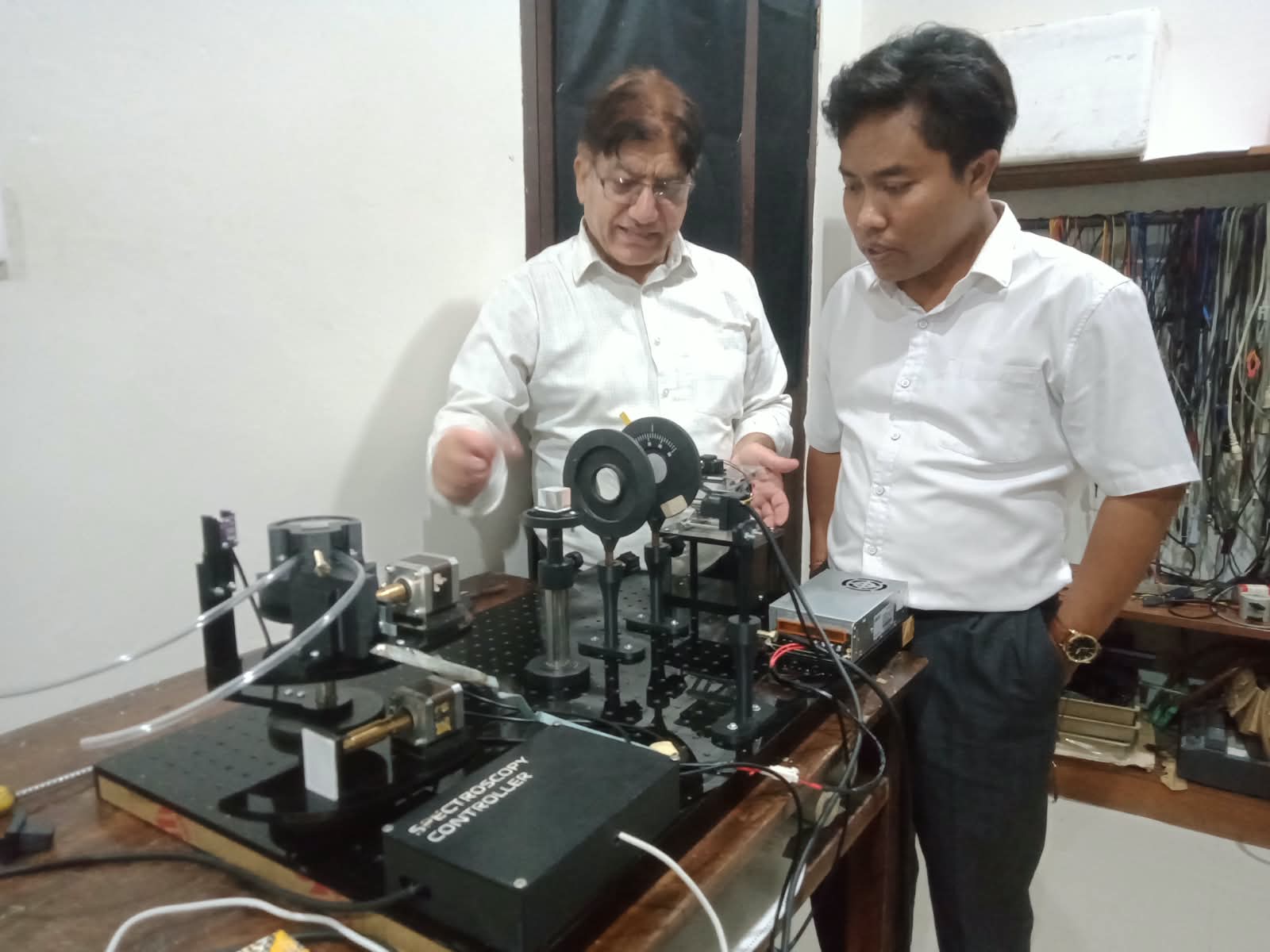
The lecture addressed the topic "Magnetoplasmonics Sensor: Theory, Instrumentation, and Its Applications," introducing the concepts, operating principles, instrumentation, and potential applications of magnetoplasmonic-based sensor technology. This topic is increasingly relevant given the growing demand for high-sensitivity sensor technologies, particularly for applications in healthcare, environmental monitoring, and materials technology.
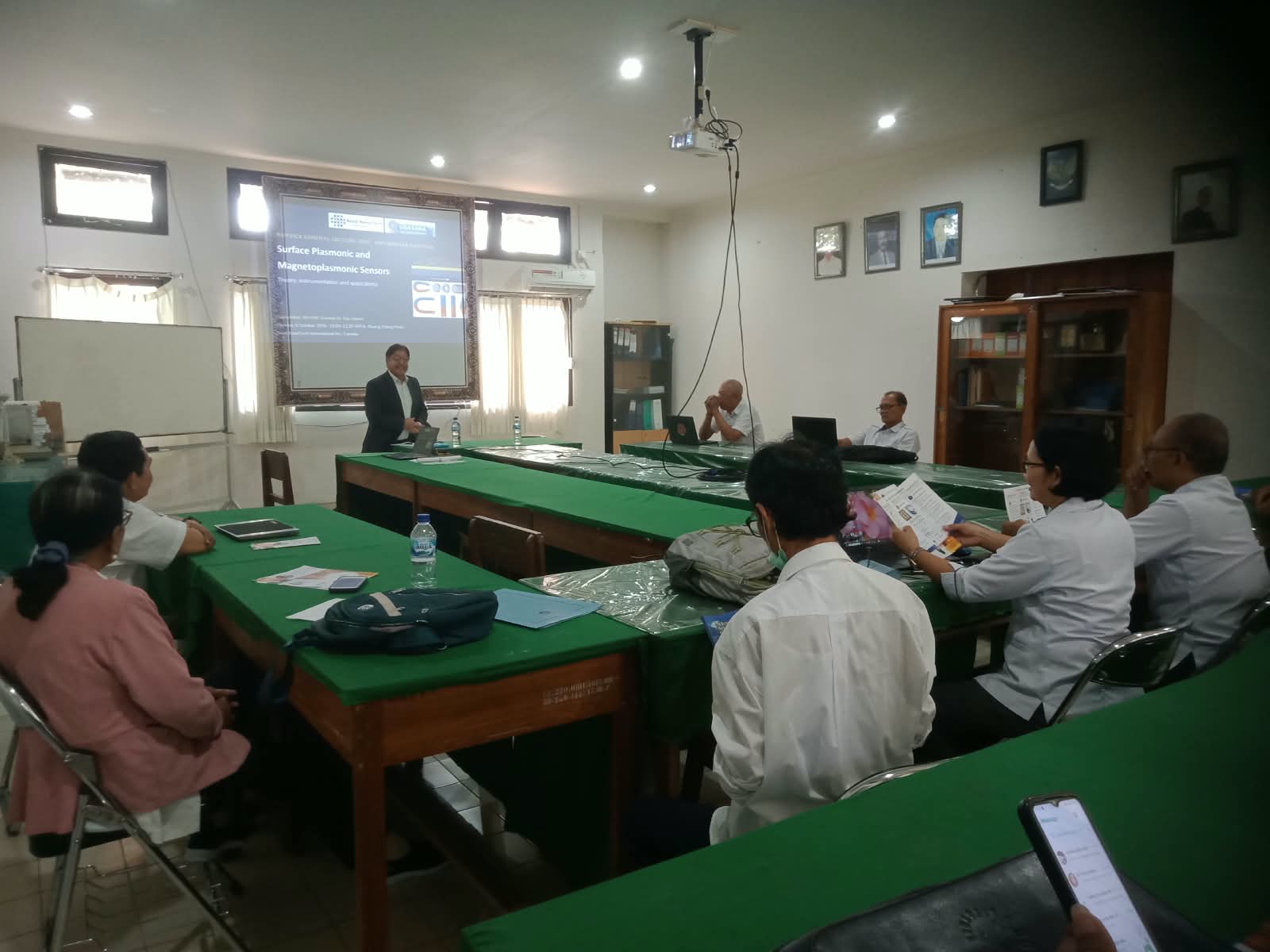
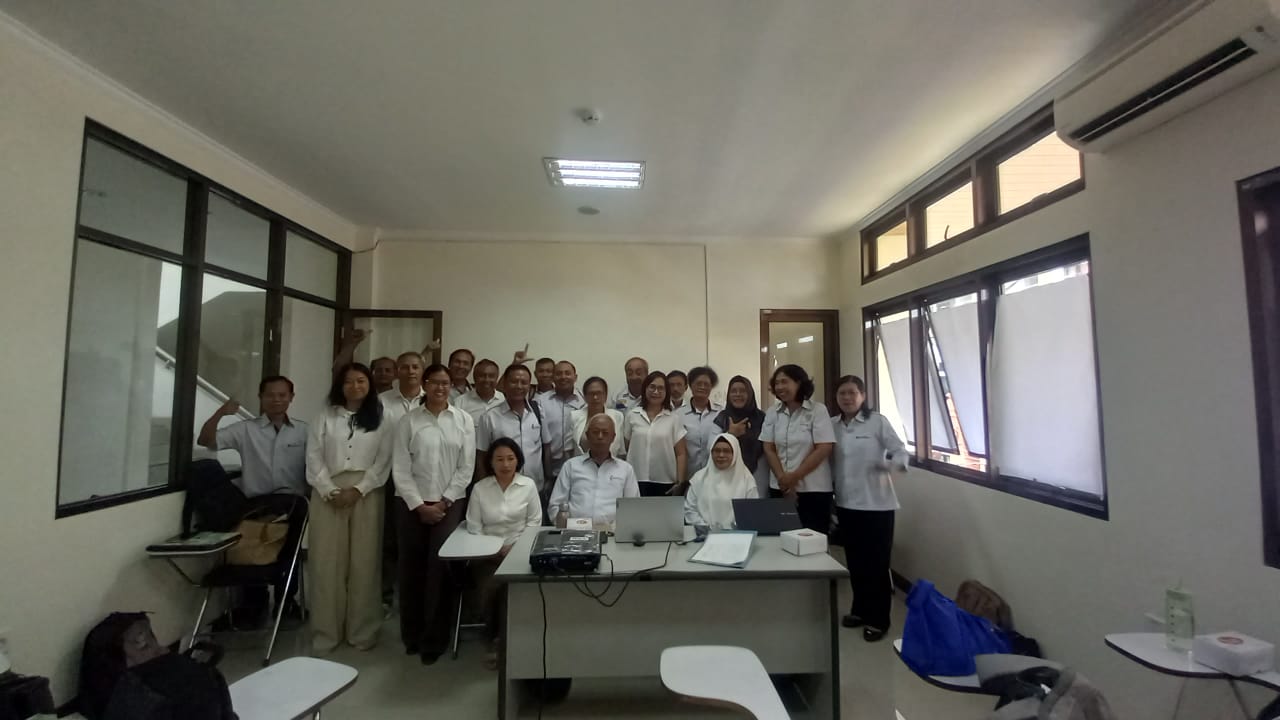
This activity was attended by lecturers and students from the Physics Study Program at Udayana University. Participants demonstrated great enthusiasm throughout the event, particularly during the discussion session, which covered advancements in magnetoplasmonic-based biosensor technology and its potential applications across various fields.
The discussion was highly interactive, featuring a wide range of questions from participants—spanning the underlying physics principles of magnetoplasmonic phenomena, material development, and sensor design and instrumentation, to the potential for expanding the technology toward broader applications. These interactions provided participants with fresh perspectives on how fundamental physics concepts can be translated into innovative sensor technologies.
For faculty members of the Physics Study Program at Udayana University, the material presented also opens up opportunities to explore new research directions in the fields of materials physics and optoelectronics. Magnetoplasmonic technology—which integrates magnetic and plasmonic phenomena—is considered to hold significant potential for further development, spanning areas such as materials research, light-matter interactions, and nanostructures, through to the development of sensor instrumentation systems.
This interest is expected to serve as a gateway for developing more focused research within the Udayana University Physics Study Program. Collaboration across the fields of materials physics, nanomaterials, optoelectronics, and sensor technology has the potential to yield innovations that not only possess academic value but can also be directed toward meeting real-world application needs.
The hosting of the 2nd Physics General Lecture 2026 reaffirms the commitment of the Physics Study Program at Udayana University to bringing scientific perspectives and the latest technological developments to the academic community. The participation of academics and practitioners with international experience is expected to broaden the horizons of both faculty and students, while also fostering academic networks to support the advancement of research and innovation.
Gallery

FACULTY OF MATH AND NATURAL SCIENCES