 EN
EN
 INA
INA
Physics Study Program of Udayana University Strengthens Collaboration with BRIN Through a Guest Lecture on Lake Batur Limnology

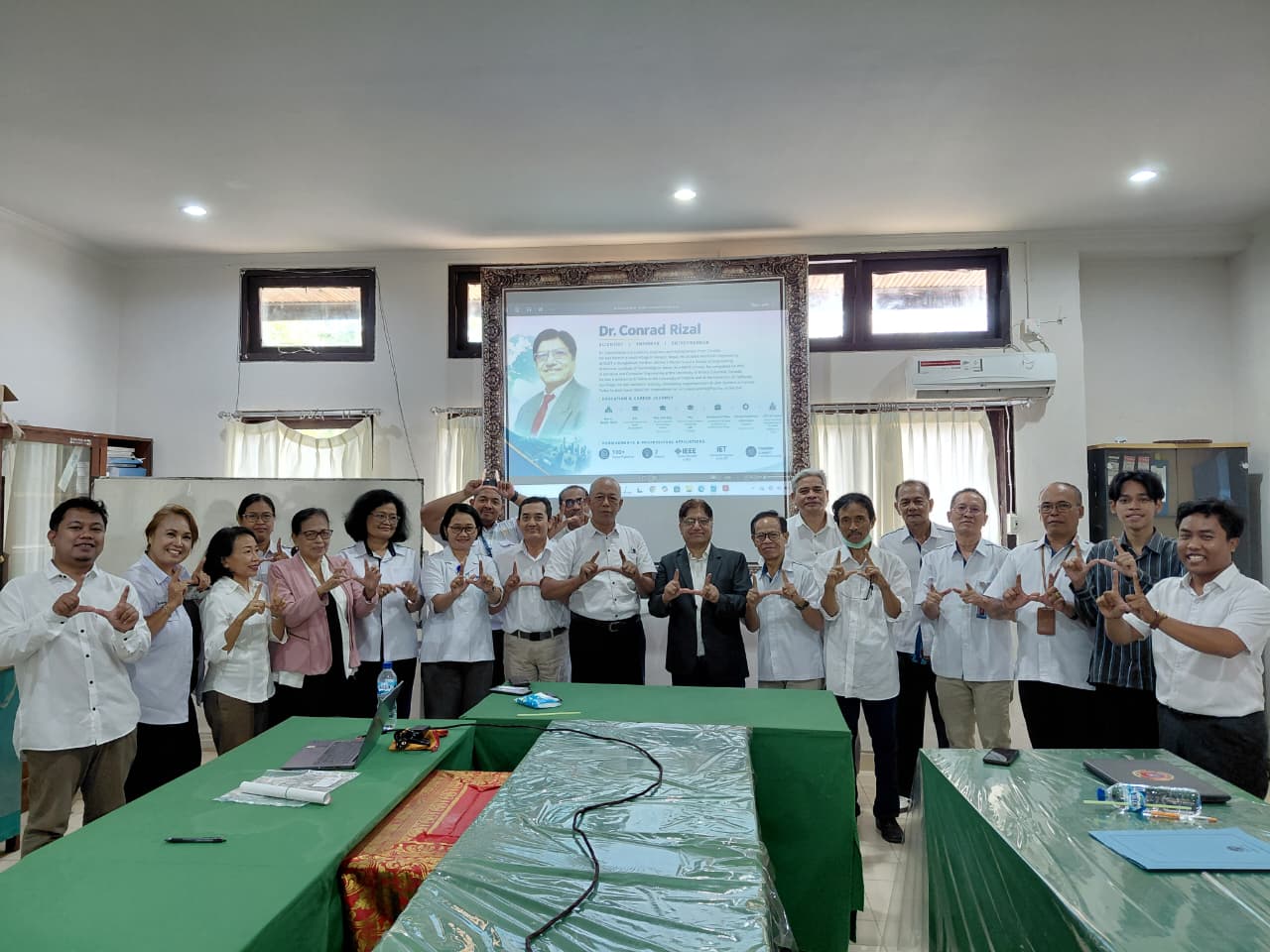
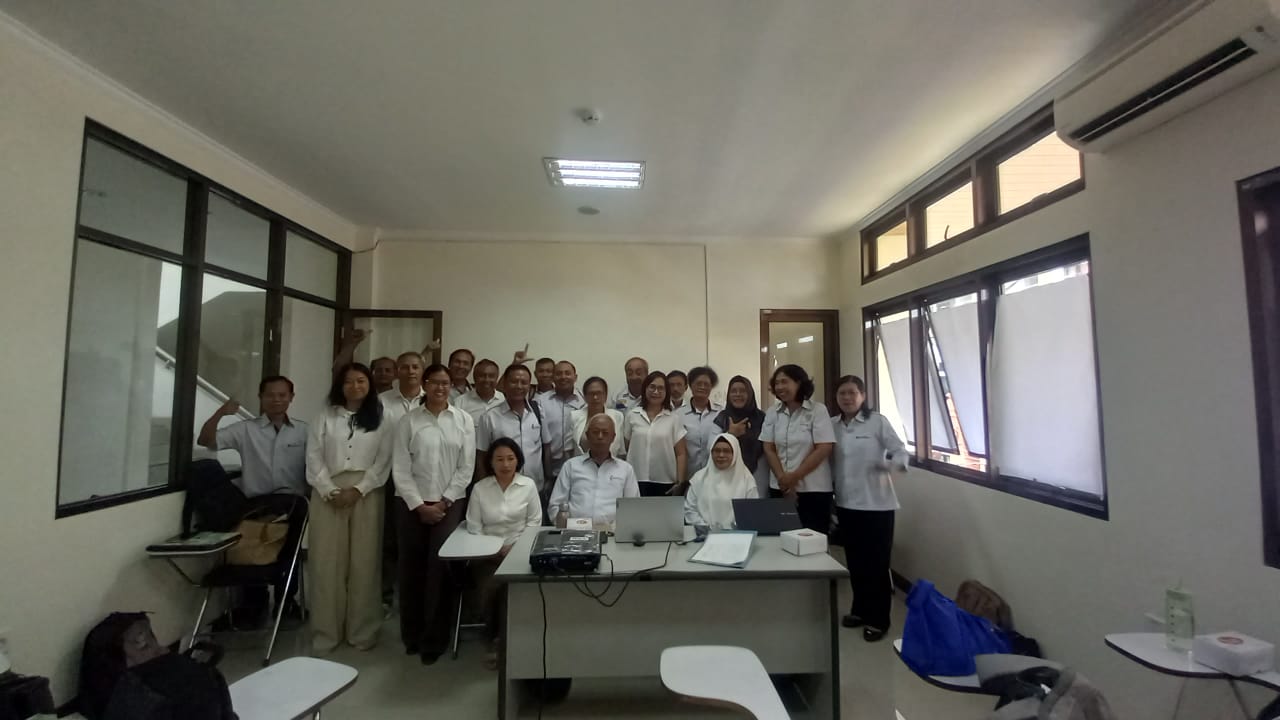
Denpasar, July 17, 2026 – The Physics Study Program, Faculty of Mathematics and Natural Sciences (FMIPA), Udayana University, reaffirmed its commitment to fostering academic excellence and strengthening research partnerships by organizing a Guest Lecture entitled "Lake Batur Limnology: Understanding Hydrodynamics, Biogeochemistry, and Lake Ecosystem Functions: Research Findings and Future Collaboration." The event was held in Room 203, FMIPA Postgraduate Building, Udayana University, and featured distinguished researchers from the Research Center for Limnology and Water Resources, Earth and Maritime Research Organization, National Research and Innovation Agency (BRIN).
The guest lecture brought together three leading limnology experts from BRIN: Dr. rer. nat. Sulung Nomosatryo, S.Si., M.Si., Arianto Budi Santoso, M.Sc., Ph.D., and Meti Yulianti, M.Env.Sc., Ph.D. The event was attended by faculty members and students of the Physics Study Program, who enthusiastically participated in the scientific presentations and interactive discussions on the sustainable management of Lake Batur and future multidisciplinary research collaborations.
The first session was delivered by Dr. rer. nat. Sulung Nomosatryo, who introduced the Research Center for Limnology and Water Resources of BRIN and provided an overview of limnology as the scientific discipline dedicated to the study of inland aquatic ecosystems. He highlighted the current development of limnological research in Indonesia, presented an overview of the country's major lakes, and discussed ongoing research initiatives aimed at supporting water resource conservation and sustainable ecosystem management. He also introduced collaboration opportunities between BRIN and universities through the Impactful Research Internship Program and the Undergraduate Thesis Research Internship Program, which provide students with valuable research experience at the national level.
The second presentation, delivered by Arianto Budi Santoso, M.Sc., Ph.D., focused on the limnological characteristics and recent research conducted in Lake Batur, one of Indonesia's most significant volcanic caldera lakes. His presentation covered the lake's physical characteristics, thermal stratification, biogeochemical processes, sediment analysis, and the application of numerical modeling to simulate various lake management scenarios. He also presented the long-term research roadmap for Lake Batur, emphasizing the importance of scientific evidence in supporting sustainable lake management policies.
In the final scientific session, Meti Yulianti, M.Env.Sc., Ph.D., introduced the Water-Energy-Food (WEF) Nexus framework as an integrated strategy for the conservation and sustainable management of Lake Batur. She explained the interdependence of water, energy, and food systems in maintaining ecosystem health and introduced the Lake Batur Water-Energy-Food Nexus Health Index as a comprehensive assessment tool. Furthermore, she discussed contaminant transport mechanisms within the lake ecosystem and presented several ongoing research projects addressing environmental sustainability in Lake Batur.
The discussion session was highly interactive, with faculty members and students actively engaging the speakers on a wide range of topics, including collaborative research opportunities, the characteristics of volcanic lakes in Indonesia, environmental monitoring technologies, and sustainable lake management. One of the key outcomes of the discussion was the proposal to establish a Lake Research Collaboration Center, envisioned as a future international research hub that would connect universities, BRIN, local governments, and international partners in advancing limnological research. The proposal received strong support from both the speakers and participants as a strategic initiative to strengthen scientific collaboration.
The speakers also provided detailed information about BRIN's Undergraduate Thesis Research Internship Program, including its application process, expected research outputs, and publication opportunities. They encouraged students to participate in BRIN research projects as a means of enhancing their research competencies while contributing to nationally significant scientific studies.
Several emerging research issues were also highlighted during the discussion, including the proliferation of the invasive Red Devil fish species in Lake Batur, the presence of heavy metals such as cadmium in lake sediments and aquaculture products, the influence of volcanic activity on lake biogeochemistry, and the application of spectroscopic techniques for sediment characterization. Participants also proposed comparative studies of Bali's volcanic caldera lakes to better understand how geological settings influence limnological processes and ecosystem dynamics. These ideas are expected to serve as the foundation for future collaborative research initiatives.
Through this guest lecture, the Physics Study Program of FMIPA Udayana University not only enriched participants' scientific understanding of hydrodynamics, biogeochemistry, and lake ecosystem functions but also strengthened partnerships with BRIN in education, research, and community engagement. The event is expected to serve as a catalyst for innovative multidisciplinary research that contributes to the sustainable management of Lake Batur and other freshwater ecosystems across Indonesia.
The Physics Study Program extends its sincere appreciation to all speakers from BRIN for sharing their expertise, research experiences, and valuable insights. It is hoped that this guest lecture will mark the beginning of a long-term strategic collaboration between Udayana University and the National Research and Innovation Agency (BRIN), leading to impactful scientific innovations that support environmental sustainability, knowledge advancement, and national development.
FACULTY OF MATH AND NATURAL SCIENCES